


Thermal Imaging to Reduce Business Insurance Premiums
In the dynamic landscape of business operations, managing costs effectively is paramount for sustainable growth and profitability. Insurance premiums constitute a significant expense for businesses across various sectors, often representing a substantial portion of operational budgets. However, advancements in technology have presented innovative solutions to mitigate risks and lower insurance costs. Among these solutions, thermal imaging technology emerges as a promising tool for businesses to enhance risk assessment, improve safety measures, and consequently, reduce insurance premiums.
Thermal Imaging
Thermal imaging, also known as infrared thermography, is a technique that captures and visualizes the heat emitted by objects and environments. By detecting temperature variations, thermal cameras create detailed images that highlight anomalies, which can indicate potential hazards or inefficiencies. Therefore, in the context of risk management, businesses can leverage thermal imaging in diverse ways to optimize their operations and lower insurance premiums.
One significant application of thermal imaging is in property inspection and maintenance. Traditional methods of assessing property condition often rely on visual inspections, which may overlook underlying issues such as electrical faults, insulation deficiencies, or water leaks. These unnoticed problems can escalate into costly damages or safety hazards, leading to higher insurance claims and premiums.
Thermal imaging enables comprehensive inspections by revealing hidden anomalies that might indicate impending failures or vulnerabilities. By identifying and addressing maintenance needs proactively, businesses can minimize the likelihood of property-related incidents, thereby reducing insurance risks and negotiating lower premiums with insurers.
In industries where equipment integrity is critical, such as manufacturing, energy, or utilities, thermal imaging plays a vital role in preventive maintenance strategies. Mechanical failures or malfunctions in machinery can disrupt operations, cause downtime, and incur significant repair costs. By regularly monitoring equipment with thermal cameras, businesses can detect abnormal temperature patterns indicative of impending failures, allowing for timely intervention before catastrophic breakdowns occur. This proactive approach not only enhances operational reliability but also demonstrates a commitment to risk mitigation, which insurers often reward with preferential rates on insurance policies.
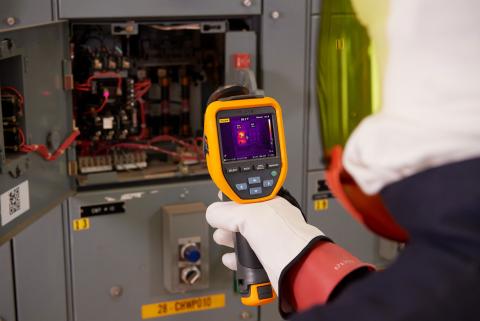
Thermal Imaging to Reduce Business Insurance Premiums
Moreover, thermal imaging aids in improving workplace safety, which is a key determinant in insurance underwriting. Occupational hazards, such as electrical faults, overheating machinery, or fire risks, pose significant liabilities for businesses and can result in costly workers’ compensation claims or liability lawsuits. By implementing thermal imaging as part of comprehensive safety protocols, businesses can identify potential hazards before accidents occur, implement corrective measures, and uphold stringent safety standards. This proactive risk management approach not only fosters a safer work environment but also enhances the company’s insurability profile, leading to potential reductions in insurance premiums.
In the realm of fire prevention and protection, thermal imaging technology offers invaluable capabilities for early detection and response. Traditional smoke detectors have limitations in detecting smoldering fires or hidden hotspots, especially in large commercial or industrial facilities with complex layouts. Thermal cameras complement existing fire detection systems by providing enhanced visibility in low-visibility conditions and detecting heat signatures that may precede ignition. By integrating thermal imaging into fire safety infrastructure, businesses can expedite emergency response times, minimize property damage, and mitigate the financial impact of fire-related incidents, thereby potentially qualifying for lower insurance premiums due to reduced fire risk.
Furthermore, the adoption of thermal imaging can enhance the insurability of businesses operating in environmentally sensitive areas or industries with heightened regulatory scrutiny. For instance, businesses in the oil and gas sector or chemical manufacturing facilities are subject to stringent environmental regulations and face increased scrutiny from insurers regarding pollution liabilities. Thermal imaging enables proactive monitoring of emissions, leaks, or environmental hotspots, allowing businesses to demonstrate compliance with regulatory requirements and mitigate environmental risks. By showcasing a commitment to environmental stewardship and risk mitigation through technology-driven initiatives, businesses can enhance their reputation with insurers and negotiate favorable terms on environmental liability insurance.
In addition to risk mitigation and safety enhancement, the data collected through thermal imaging can facilitate evidence-based decision-making and continuous improvement initiatives. By analyzing thermal images over time, businesses can identify trends, optimize operational efficiencies, and prioritize resource allocation based on empirical evidence. This data-driven approach not only enhances operational resilience but also provides insurers with tangible evidence of risk management efforts, which can influence underwriting decisions and premium assessments.
Despite the numerous benefits of thermal imaging technology in risk management and insurance cost reduction, businesses should approach its implementation strategically. Investing in quality thermal cameras, training personnel on proper usage and interpretation of thermal images, and integrating thermal imaging into existing safety and maintenance protocols are essential steps for maximizing the effectiveness of this technology. Moreover, businesses should collaborate closely with insurers to demonstrate the value proposition of thermal imaging in mitigating risks and reducing insurance premiums, potentially leveraging partnerships or incentives offered by insurers for adopting innovative risk management solutions.
In conclusion, thermal imaging technology represents a compelling opportunity for businesses to optimize risk management practices, enhance safety measures, and lower insurance premiums. By leveraging thermal imaging for property inspection, equipment maintenance, workplace safety, fire prevention, environmental compliance, and data-driven decision-making, businesses can demonstrate proactive risk mitigation efforts that resonate with insurers and result in tangible cost savings. As technology continues to evolve, businesses that embrace innovative solutions like thermal imaging stand to gain a competitive edge in risk management and insurance affordability, fostering long-term sustainability and resilience in an ever-changing business landscape.
So why not talk to us today about how Spark Safety Solutions can assist you in reducing your business insurance premiums. We are here to keep your workplace safer.
For further information on how thermal imaging can reduce your insurance costs please head over to leading insurer QBE’s article on how to use thermal imaging to prevent electrical faults and protect your business HERE


